
We rank the 10 best running shoes for heavy runners in 2026, focusing on cushioning, stability, support, fit and durability. ASICS GEL-Kayano 33 takes our top spot, with Saucony Hurricane 26 best for maximum cushioning and New Balance Fresh Foam X 860 v15 a strong choice for wider feet.
Best Running Shoes for Heavy Runners 2026 – 10 Supportive & Cushioned Shoes

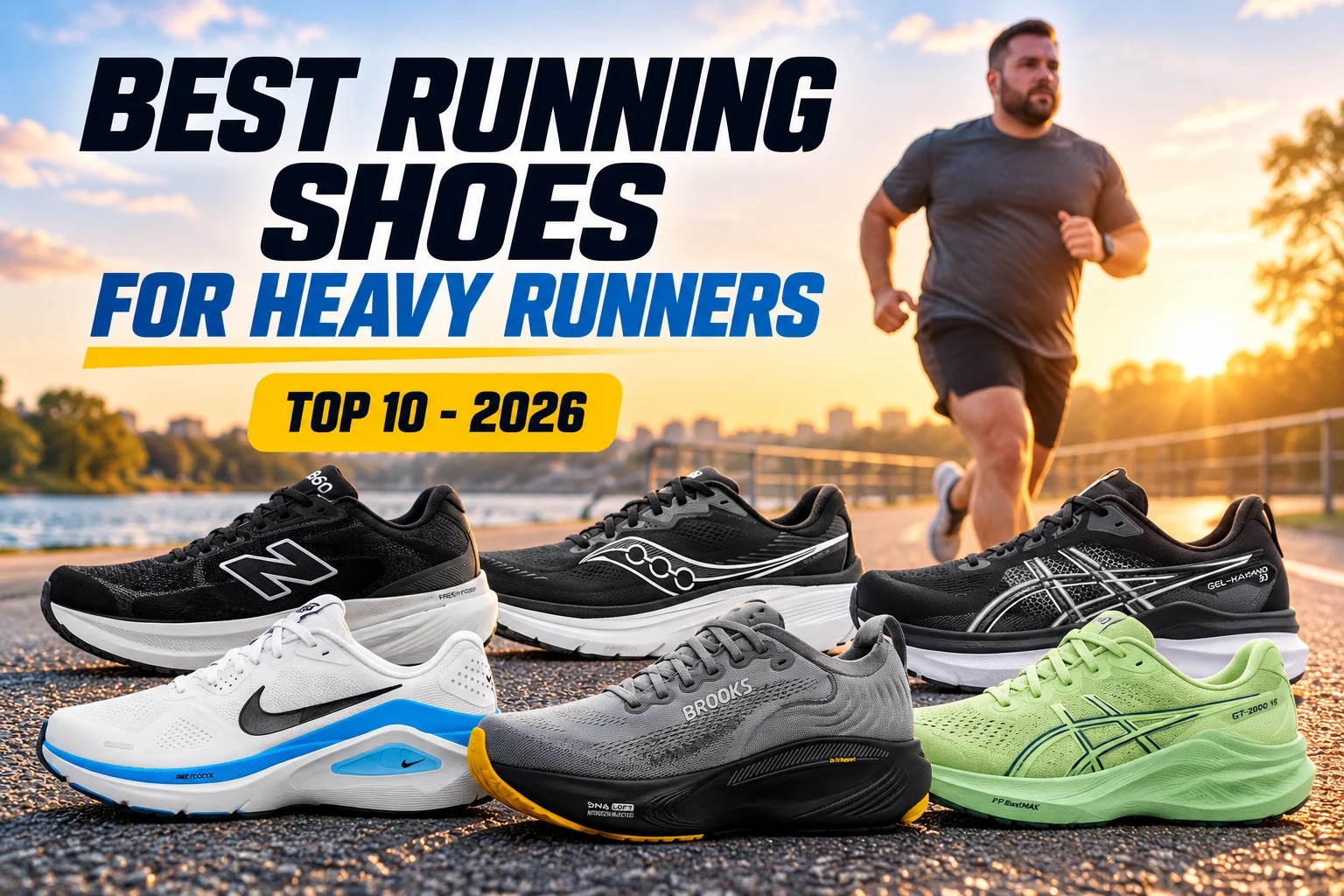
Finding the best running shoes for heavy runners is not simply about choosing the shoe with the thickest midsole. Heavier runners can place greater loads through a shoe with every landing, which makes the combination of cushioning, stability, support, fit and durability particularly important.
Whether you’re searching for running shoes for heavy runners, running shoes for overweight runners, or simply the best shoes for heavy runners, the ideal shoe should provide enough cushioning to remain comfortable without becoming unstable underfoot.
This becomes even more important for longer distances and high-mileage training. The best cushioned running shoes for heavy runners need to combine shock-absorbing foam with a sufficiently stable platform, while runners who overpronate may also benefit from additional guidance.
For 2026, there are several excellent options. Traditional stability shoes have changed considerably: instead of relying solely on rigid medial posts, many modern models use broad platforms, sidewalls, geometry and adaptive support systems to create a stable ride.
We have compared ten of the most interesting options from ASICS, Brooks, New Balance, Saucony, Nike, Mizuno, On and PUMA. Our winner is the ASICS GEL-Kayano 33, while the Saucony Hurricane 26 stands out for runners prioritizing maximum cushioning.
Best running shoes for heavy runners 2026
| Rank | Running shoe | Best for | Rating |
| 1 | ASICS GEL-Kayano 33 | Best overall | 9/10 |
| 2 | Saucony Hurricane 26 | Best max-cushioned | 9/10 |
| 3 | New Balance Fresh Foam X 860 v15 | Best for width options | 9/10 |
| 4 | Brooks Adrenaline GTS 25 | Best all-round stability shoe | 9/10 |
| 5 | ASICS GT-2000 15 | Best lightweight stability option | 9/10 |
| 6 | Nike Structure Plus | Best Nike with maximum cushioning | 8/10 |
| 7 | Mizuno Wave Inspire 22 | Best traditional stability feel | 8/10 |
| 8 | On Cloudrunner 3 | Best for maximum control | 8/10 |
| 9 | Nike Structure 26 | Best traditional Nike stability shoe | 8/10 |
| 10 | PUMA ForeverRun NITRO 3 | Best PUMA for stability | 8/10 |
1. ASICS GEL-Kayano 33 – Best running shoes for heavy runners 2026
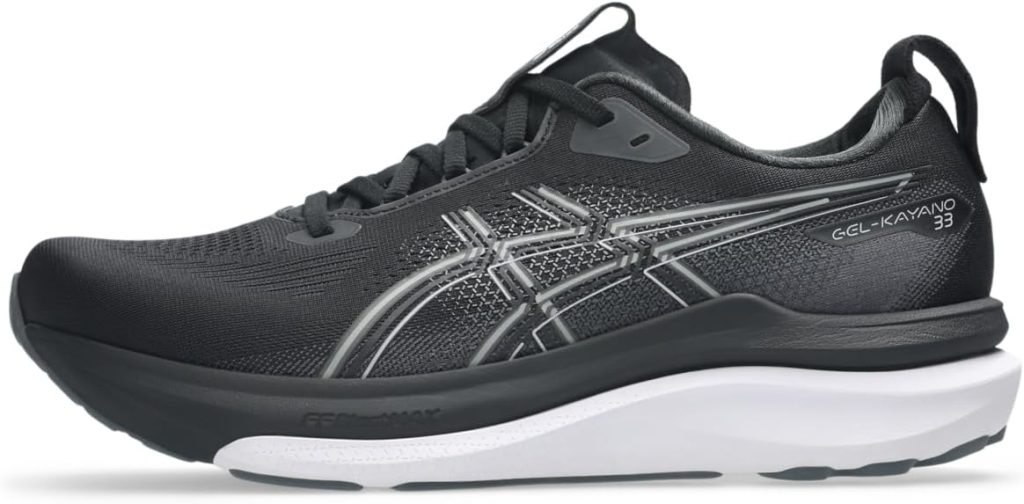
Rating: 9/10
The ASICS GEL-Kayano series has long been associated with stability, but the GEL-Kayano 33 represents a much more modern approach to support. Rather than making the shoe feel rigid or heavily corrective, ASICS combines cushioning with adaptive stability.
The combination of FF BLAST MAX, FF BLAST PLUS and PureGEL gives the GEL-Kayano 33 plenty of cushioning for everyday mileage and longer runs. The support system is designed to create guidance when it is needed while allowing the shoe to remain comfortable during a natural stride.
That balance is exactly why we consider it one of the best running shoes for heavier runners. A heavy runner does not necessarily need an extremely firm stability shoe. What many runners need instead is a broad, controlled platform that remains comfortable as the miles accumulate.
The GEL-Kayano 33 is particularly interesting for runners who overpronate or simply prefer additional support on long and easy runs.
Best for: Daily training, long runs and runners wanting cushioning with adaptive stability.
Advantages: Excellent cushioning • Modern stability • Comfortable for long distances • Strong everyday versatility
Disadvantages: More shoe than lightweight runners may want • Not designed primarily for speed sessions
2. Saucony Hurricane 26 – Best cushioned running shoes for heavy runners
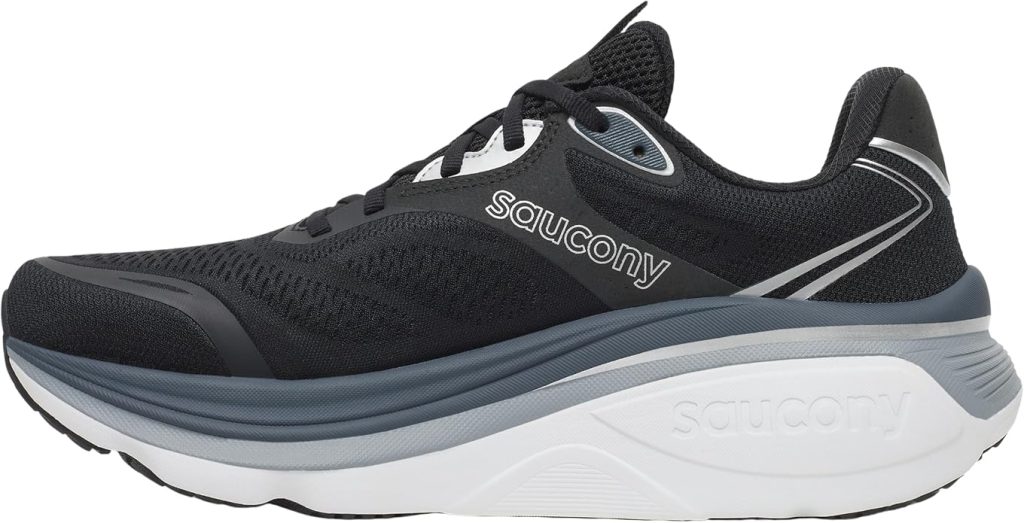
Rating: 9/10
If maximum cushioning is your priority, the Saucony Hurricane 26 is one of the strongest options in this comparison.
Saucony combines incrediLUX cushioning with a supportive PWRRUN frame and its CenterPath approach to stability. Rather than relying on a traditional medial post, the geometry helps keep the runner centered over the platform.
The result is a substantial shoe that works particularly well for easy mileage, recovery running and long-distance training.
The Hurricane 26 has a 6 mm drop and a substantial platform, while XT-900 carbon rubber is used in the outsole. That outsole construction is another reason the shoe is interesting when discussing good running shoes for heavy runners, as durability becomes increasingly important for runners accumulating substantial mileage.
This isn’t the shoe we’d choose for fast intervals or racing. But if comfort and support take priority over outright speed, the Hurricane 26 is difficult to ignore.
Best for: Maximum cushioning, long runs and recovery.
Advantages: Excellent cushioning • Broad supportive construction • CenterPath stability • Durable outsole
Disadvantages: Less suited to speedwork • Very soft cushioning won’t suit everyone
3. New Balance Fresh Foam X 860 v15 – Best for wider feet
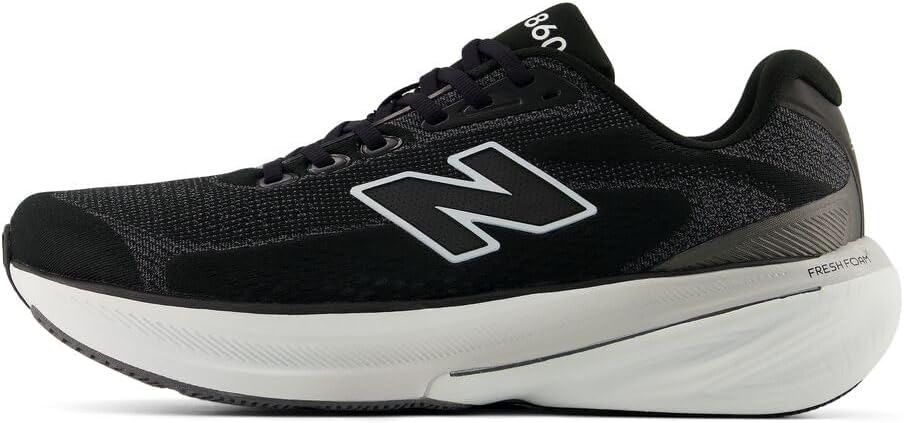
Rating: 9/10
Fit is one of the most overlooked considerations when choosing running shoes for heavy runners. A highly cushioned shoe is of little use if the runner’s foot is sitting partly outside the stable platform.
That’s one reason the New Balance Fresh Foam X 860 series is particularly interesting.
The Fresh Foam X 860 v15 combines substantial cushioning with New Balance’s Stability Plane technology. The objective is to provide support without creating the intrusive sensation traditionally associated with motion-control shoes.
New Balance is also particularly strong when it comes to width options. For bigger runners with broader feet, that can be every bit as important as cushioning.
The 860 v15 is best viewed as a dependable high-mileage training shoe rather than something designed to feel particularly fast. For everyday running, however, its combination of cushioning, stability and fit makes it one of our favorite options.
Best for: Heavier runners needing stability and accommodating width options.
Advantages: Fresh Foam X cushioning • Stability Plane • Stable platform • Good width selection
Disadvantages: Not particularly lightweight • Better for mileage than speed
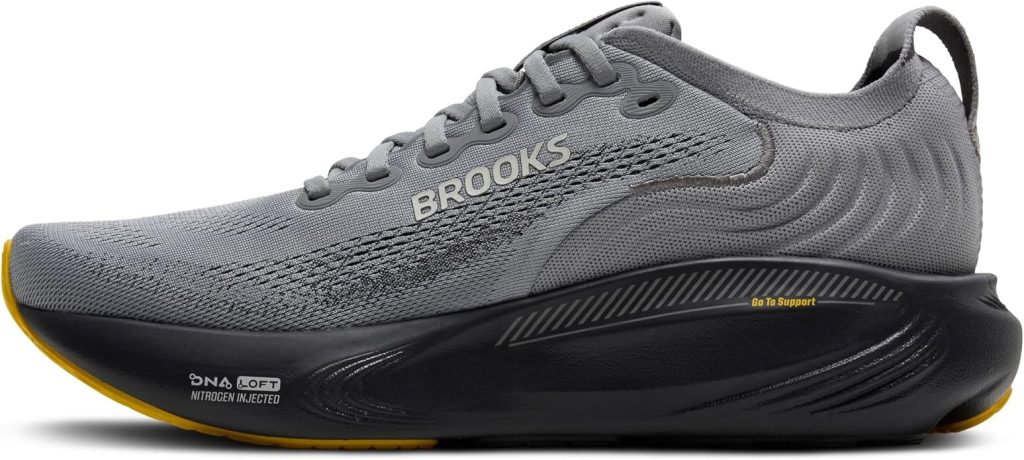
4. Brooks Adrenaline GTS 25 – Best all-round stability shoe for heavy runners
Rating: 9/10
The Brooks Adrenaline GTS 25 is one of the easiest shoes to recommend to runners who want support without moving into an excessively bulky max-cushioned model.
The key technology is Brooks’ GuideRails support system, which is designed to provide guidance rather than constantly forcing the foot into a predetermined position.
That makes the Adrenaline particularly suitable as an everyday running shoe. It provides a more traditional training-shoe experience than some of the towering max-cushioned models on the market, while still giving runners a reassuring level of structure.
Brooks has also become strongly associated with this topic in search. Queries relating earlier Adrenaline models specifically to heavy runners already appear in search data, which reflects the model family’s established reputation among runners looking for supportive everyday footwear.
For runners who don’t necessarily want the softest shoe but value consistency and support, the Adrenaline GTS 25 remains a compelling option.
Best for: Everyday mileage and runners wanting dependable support.
Advantages: GuideRails support • Balanced cushioning • Good everyday versatility • Stable ride
Disadvantages: Less plush than maximum-cushioning alternatives • Not a dedicated speed shoe
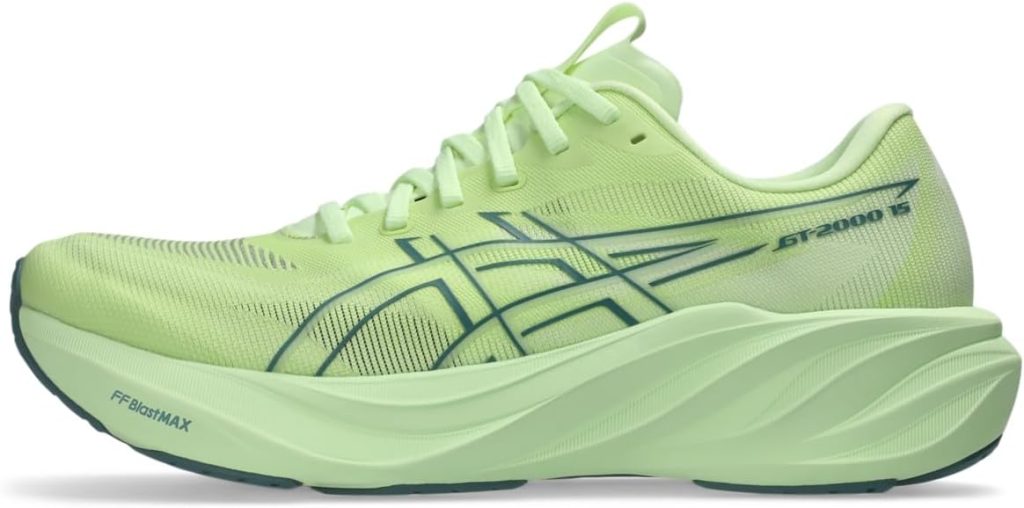
5. ASICS GT-2000 15 – Best lightweight stability option
Rating: 9/10
Not every heavy runner wants a heavy running shoe. The ASICS GT-2000 15 provides an interesting alternative for runners who want stability and cushioning without stepping up to the more substantial construction of the GEL-Kayano.
ASICS combines FF BLAST MAX cushioning with PureGEL and its 3D GUIDANCE SYSTEM. Rather than relying on an old-fashioned hard medial post, the system uses geometry and controlled deformation to provide adaptive stability.
The men’s version weighs around 252 grams, making the GT-2000 15 notably lighter than many traditional stability shoes.
That makes it particularly attractive for runners who want one shoe to handle everyday mileage while still feeling reasonably agile when the pace increases.
Best for: Runners wanting support without excessive weight.
Advantages: Relatively lightweight • FF BLAST MAX • PureGEL • 3D GUIDANCE SYSTEM • Versatile
Disadvantages: Less cushioning than the Hurricane 26 • GEL-Kayano offers a more substantial platform
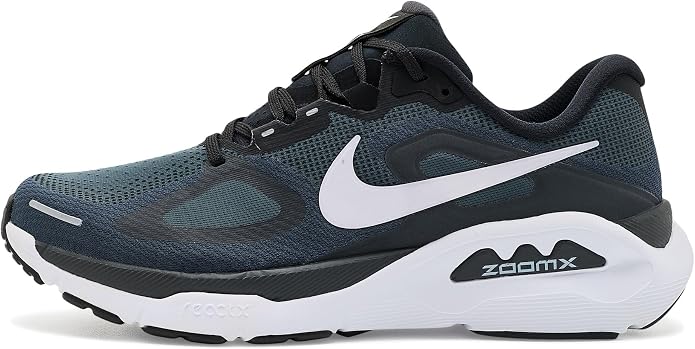
6. Nike Structure Plus – Best max-cushioned Nike for heavy runners
Rating: 8/10
Nike’s Structure family has evolved considerably, and the Structure Plus is particularly interesting for runners who want the familiar Nike feel combined with more cushioning and support.
It is the first Structure model to incorporate ZoomX, which sits above ReactX foam. This creates a more premium cushioning setup than you’ll find in the standard Structure 26.
Nike’s Midfoot Support System wraps around the heel and arch to create additional control, while the dual-rubber outsole provides coverage where durability matters.
For runners searching for best cushioned running shoes for men while still wanting stability, the Structure Plus is therefore one of Nike’s most interesting options.
At roughly 300 grams depending on reference size, it isn’t particularly light. But that’s not really the point. This is a supportive daily trainer designed around cushioning and stability rather than speed.
Best for: Nike fans wanting maximum cushioning plus stability.
Advantages: ZoomX + ReactX • Midfoot Support System • Comfortable cushioning • Stable construction
Disadvantages: Relatively heavy • More expensive than the standard Structure
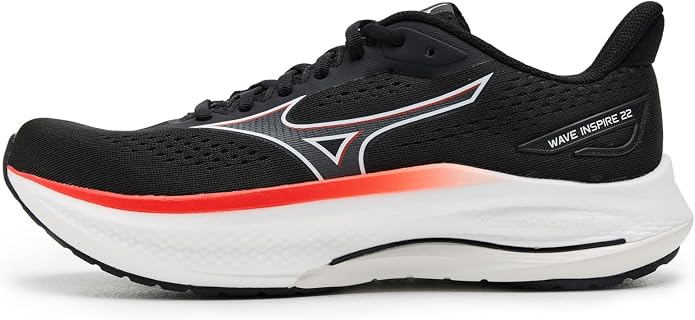
7. Mizuno Wave Inspire 22 – Best traditional stability feel
Rating: 8/10
The Mizuno Wave Inspire 22 offers a slightly different approach from many of the softer modern stability shoes.
Mizuno uses MIZUNO ENERZY NXT cushioning together with an updated supportive Mizuno Wave plate. The result is a controlled running experience that should appeal particularly to runners who don’t enjoy excessively soft midsoles.
The drop has been reduced to 10 mm from the 12 mm used previously, helping modernize the geometry without completely changing the character of the shoe.
Durability is another interesting point. Mizuno uses carbon rubber in high-wear areas of the outsole, making the Inspire worthy of consideration for runners concerned about how quickly their shoes wear down.
If you want a running shoe for a heavy runner that feels stable and controlled rather than extremely soft, the Wave Inspire 22 deserves consideration.
Best for: Traditional stability and high-mileage daily training.
Advantages: Controlled ride • ENERZY NXT • Supportive Wave construction • Durable outsole
Disadvantages: Heavier than GT-2000 15 • Firmer character won’t appeal to everyone
8. On Cloudrunner 3 – Best for maximum stability and control
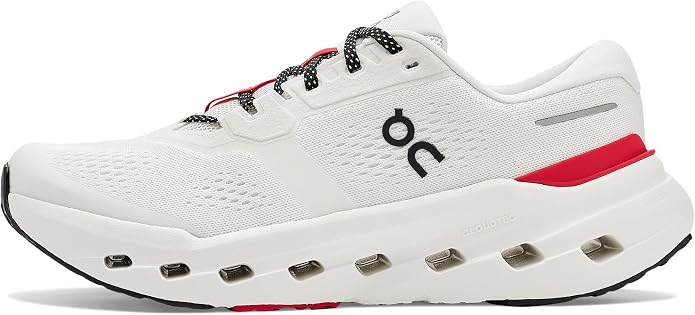
Rating: 8/10
The On Cloudrunner 3 puts stability ahead of outright speed. Its wider base, higher sidewalls and asymmetrical heel clip create a particularly controlled platform. On combines its original CloudTec construction with Helion cushioning to provide enough protection for everyday running without turning the shoe into an excessively soft trainer.
At around 311 grams, it isn’t one of the light running shoes in this comparison. Instead, its strength lies in security.
For larger runners who frequently feel unstable in tall, soft running shoes, that can be an important advantage.
The Cloudrunner 3 makes most sense for easy runs, everyday mileage, walking and recovery sessions rather than racing or interval training.
Best for: Runners prioritizing control and platform stability.
Advantages: Wide platform • High sidewalls • Stable heel • Comfortable for everyday mileage
Disadvantages: Heavy • Not designed for fast running
9. Nike Structure 26 – Best traditional Nike stability shoe
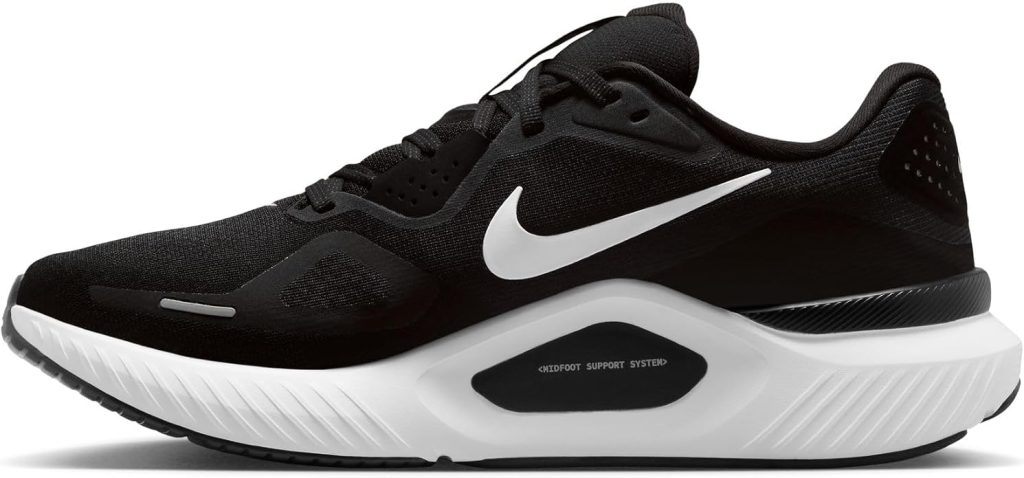
Rating: 8/10
The Nike Structure 26 offers a simpler alternative to the Structure Plus. Rather than combining ZoomX and ReactX, the Structure 26 uses full-length ReactX foam together with Nike’s Midfoot Support System.
Nike says ReactX provides greater responsiveness than its previous React foam, while the shoe’s broader construction helps create a stable everyday platform.
At around 302 grams in men’s US size 9, this is again a fairly substantial training shoe. Nike also indicates that the model fits small and recommends considering half a size larger.
For runners who want a dependable Nike stability shoe without paying for the more premium cushioning of the Structure Plus, this is the logical alternative.
Best for: Everyday running with traditional stability.
Advantages: ReactX cushioning • Midfoot Support System • Stable platform • Durable heel rubber
Disadvantages: Fairly heavy • Structure Plus offers more premium cushioning
10. PUMA ForeverRun NITRO 3 – Best PUMA stability shoe for heavy runners
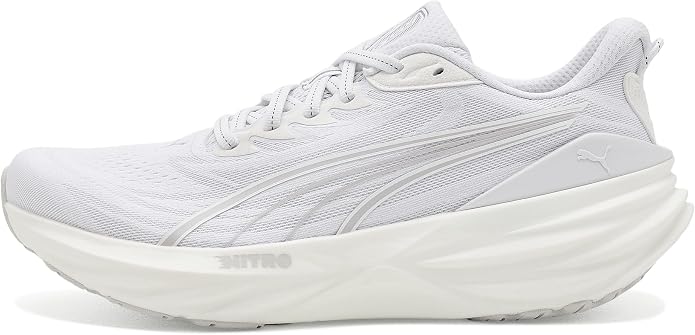
Rating: 8/10
The PUMA ForeverRun NITRO 3 combines modern foam technology with a stability-oriented construction.
Its dual-density NITROFOAM setup uses a softer core surrounded by a firmer outer frame. That allows PUMA to provide cushioning while simultaneously creating more structure around the foot.
The shoe also incorporates RUNGUIDE, while PWRTAPE and PWRPRINT help create additional upper support. Underfoot, PUMAGRIP provides traction and outsole protection.
At approximately 290 grams with an 8 mm drop, the ForeverRun NITRO 3 sits comfortably within the substantial daily-training category.
It’s not our first choice for intervals or racing, but as a daily stability shoe it provides a convincing combination of cushioning, guidance and grip.
Best for: Daily training and runners wanting a stable PUMA option.
Advantages: Dual-density NITROFOAM • RUNGUIDE • PUMAGRIP • Supportive upper
Disadvantages: Not particularly light • Better suited to steady running than speed sessions
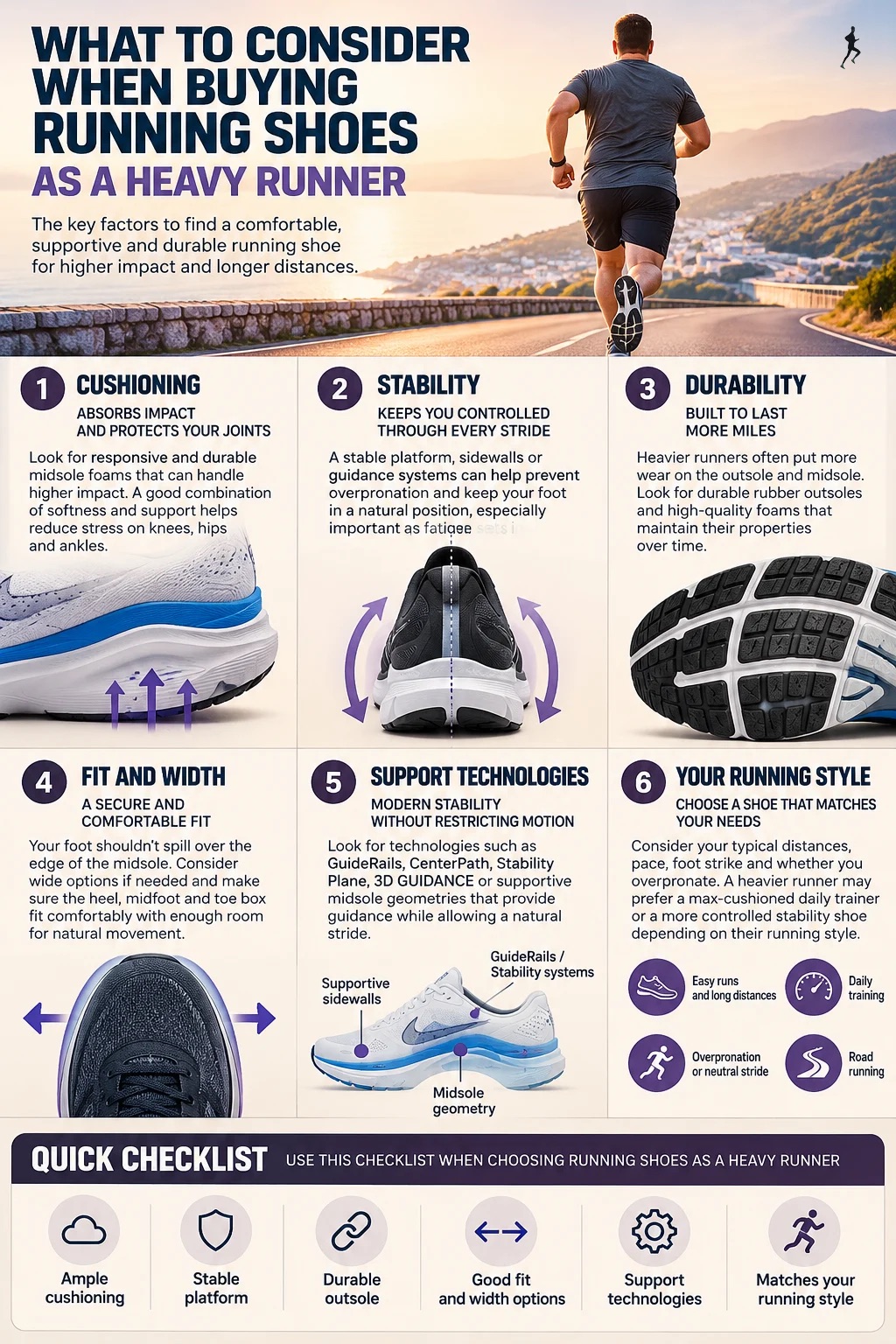
What should heavy runners look for in running shoes?
Body weight alone shouldn’t determine which running shoe you buy. Running mechanics, foot shape, pace, training volume and personal preference are equally important.
Still, several characteristics are worth prioritizing when choosing good running shoes for heavy runners.
Cushioning
Cushioning is important, but softness alone isn’t necessarily better. A very soft shoe without sufficient structure can feel unstable. This is why shoes such as the GEL-Kayano 33, Hurricane 26 and Fresh Foam X 860 v15 work well in this category: they combine cushioning with dedicated support systems.
For runners specifically looking for the best cushioned running shoes for heavy runners, pay attention to how the cushioning works together with the width and geometry of the platform rather than simply looking for the thickest possible sole.
Stability
Platform stability becomes particularly useful on longer runs. Broad midsoles, raised sidewalls and technologies such as CenterPath, Stability Plane, GuideRails and 3D GUIDANCE can provide support without necessarily making the shoe feel like an old-fashioned motion-control model.
A heavy runner does not automatically need a stability shoe, but a stable platform can make highly cushioned shoes feel more controlled.
Durability
Durability also deserves attention. Greater loads can affect how quickly the cushioning and outsole wear, although mileage varies enormously between runners. Durable rubber coverage and midsoles capable of maintaining their properties over repeated mileage are therefore valuable.
This becomes particularly relevant when looking for supportive running shoes for heavier runners and high mileage.
Fit and width
Fit may be even more important than the amount of cushioning. If your foot extends beyond the stable platform or the upper is excessively tight, even an otherwise excellent shoe may not work well.
Heavier runners with wider feet should therefore pay particular attention to models available in multiple widths.
Which cushioning technology is best for heavy runners?
There isn’t one cushioning technology that is automatically best for every heavier runner. What matters is the balance between cushioning, resilience and stability.
The shoes in our ranking illustrate several approaches.
ASICS combines FF BLAST MAX with PureGEL in the GEL-Kayano 33. Saucony uses incrediLUX together with a supportive construction in the Hurricane 26, while New Balance combines Fresh Foam X with its Stability Plane.
Nike takes yet another approach with the Structure Plus by combining ZoomX and ReactX.
A heavier runner who likes a very plush ride may prefer the Hurricane 26, whereas someone looking for a more controlled balance between cushioning and guidance may prefer the GEL-Kayano 33 or Fresh Foam X 860 v15.
This is why the best running shoe for a heavy person shouldn’t be selected purely according to stack height or the amount of foam underneath the foot.
Interestingly, the search data already shows the article appearing at position 1 for the query “which cushioning technology is best for heavy runners?”, making this an especially relevant question to answer directly.
Which road running shoes have the best durability for heavy runners?
Durability depends heavily on running style, surface, gait and mileage, so there is no reliable number of miles that applies to every runner.
For heavier runners, however, outsole construction is worth examining carefully.
The Saucony Hurricane 26 uses XT-900 carbon rubber, while the Mizuno Wave Inspire 22 incorporates durable carbon rubber in high-wear areas. Nike uses high-abrasion rubber in the heel of the Structure 26.
The condition of the midsole is equally important. A shoe may still have rubber left on the outsole while its cushioning has already lost some of its original characteristics.
The search data also shows the page appearing at position 1 for “which road running shoes have the best durability for heavy runners?”, so durability is clearly worth covering as part of the article.
Do heavy runners need stability shoes?
No. A heavy runner with neutral mechanics may be perfectly comfortable in a neutral max-cushioned running shoe. Likewise, a lighter runner who overpronates may benefit from additional guidance.
The reason this list contains so many stability-oriented models is that they combine two characteristics that can be particularly useful for heavier runners: substantial cushioning and a controlled platform.
That doesn’t mean every heavier runner needs pronation support.
If you’re searching for the best running shoes for heavier runners, don’t automatically limit yourself to stability shoes. Choose according to your gait, comfort, fit and how the shoe feels while running.
Are max-cushioned shoes better for heavy runners?
They can be, particularly for easy runs and long distances, but more cushioning isn’t automatically better. A shoe such as the Saucony Hurricane 26 combines substantial cushioning with a broad, supportive construction. That makes it more compelling for this use case than simply choosing the softest shoe available.
Runners who dislike very soft shoes may be happier in the Mizuno Wave Inspire 22, Brooks Adrenaline GTS 25 or ASICS GT-2000 15.
This distinction matters when comparing running shoes with thick soles. A thick sole can provide plenty of cushioning, but a high stack without sufficient stability won’t necessarily make a shoe better for a bigger runner.
What are the best running shoes for heavy men?
Our first choice among the best running shoes for overweight men and heavier male runners is the ASICS GEL-Kayano 33, particularly for someone who wants substantial cushioning combined with adaptive support.
The Saucony Hurricane 26 is our pick for maximum cushioning, while the New Balance Fresh Foam X 860 v15 is particularly interesting for runners who need wider fitting options.
The Brooks Adrenaline GTS 25 is another excellent choice for men looking for a balanced everyday stability shoe rather than an exceptionally soft max-cushioned model.
For heavier men who prefer something lighter, the ASICS GT-2000 15 is another strong alternative.
What are the best running shoes for heavy women?
The best running shoes for heavy women should follow the same principles: prioritize the correct fit, sufficient cushioning and a platform that feels stable under your individual stride.
Several of the shoe families covered here are produced in women’s versions as well, but sizing, weight and fit specifications can differ between men’s and women’s models.
Women searching specifically for the best running shoes for overweight women, running shoes for overweight women, best running shoes for heavy women or running shoes for heavy women should therefore pay particular attention to available widths and how securely the shoe holds the heel and midfoot.
Those phrases are also worth addressing because the site’s search data already shows impressions for several female-specific queries, including “best running shoes for overweight women” and “best running shoes for heavy women.”
The important point is that there is no special type of running shoe that every heavier woman needs. Fit and running mechanics remain more useful selection criteria than body weight alone.
Best running shoes for overweight beginners
If you’re just starting to run, comfort and consistency matter much more than speed. The ASICS GEL-Kayano 33, Brooks Adrenaline GTS 25, New Balance Fresh Foam X 860 v15 and Saucony Hurricane 26 are particularly interesting because their designs emphasize cushioning and support rather than race-day performance.
For someone looking for the best shoes for beginner overweight runners, a comfortable daily trainer will generally be more useful than a lightweight racing shoe.
Beginners should also build their running volume gradually. No running shoe can compensate for increasing mileage too aggressively.
Walking and running intervals can be an effective way to introduce running before gradually increasing the amount of continuous running.
Best running shoes for heavy runners with bad knees
No running shoe can treat knee pain, and persistent or significant knee pain should be assessed by an appropriate healthcare professional.
However, runners experiencing discomfort may prefer a shoe that feels well cushioned, stable and comfortable under their individual stride.
Among the models in this comparison, the ASICS GEL-Kayano 33, Saucony Hurricane 26 and New Balance Fresh Foam X 860 v15 offer particularly strong combinations of cushioning and stability.
Rather than assuming that maximum softness is automatically best, the priority should be finding a shoe that feels comfortable and controlled throughout the stride.
This is also a useful question to address because “best running shoes for heavy runners with bad knees” is already generating impressions for the page.
Are lightweight running shoes suitable for heavy runners?
Yes. Being a heavier runner doesn’t mean you have to run in a heavy shoe. The more important consideration is whether the shoe provides the cushioning, fit and stability you personally require.
The ASICS GT-2000 15, for example, demonstrates that a stability-oriented shoe doesn’t necessarily have to be extremely heavy.
However, lightweight racing shoes often reduce outsole rubber, upper structure or other components to save weight. Those compromises can make them less attractive as everyday trainers for some heavier runners.
If your priority is daily mileage rather than race-day speed, durability and comfort may be worth more than saving 50 or 100 grams.
Best running sneakers for heavy runners: should you size up?
You shouldn’t automatically size up simply because you’re a heavier runner. Your running shoe should provide enough room for the foot to expand during running without allowing excessive movement inside the shoe.
Pay particular attention to:
- Toe-box width
- Midfoot security
- Heel lockdown
- Available width options
- Space in front of the longest toe
Sizing also varies between brands and individual models. A US 10 in one shoe won’t necessarily fit exactly like a US 10 in another.
For runners with broad feet, choosing a Wide or Extra Wide version is generally preferable to simply buying an unnecessarily long shoe.
How long should running shoes last for heavy runners?
There is no universal mileage figure at which running shoes suddenly need replacing. Body weight is only one factor. Running mechanics, surfaces, shoe rotation, foam formulation, outsole construction and how the shoe is used can all affect durability.
Instead of replacing shoes based solely on a mileage number, monitor how they feel and look.
Signs that replacement may be approaching include significant outsole wear, uneven wear patterns, a noticeably compressed midsole or a substantial change in how the shoe feels while running.
For heavier runners doing high weekly mileage, rotating between two pairs can also allow each pair to recover between sessions and provides an opportunity to use different shoes for different types of runs.
FAQ – Running shoes for heavy and overweight runners
What are the best running shoes for heavy runners in 2026?
Our overall winner is the ASICS GEL-Kayano 33 thanks to its combination of cushioning and adaptive stability. Saucony Hurricane 26 is our choice for maximum cushioning, while New Balance Fresh Foam X 860 v15 is particularly attractive for runners requiring wider fitting options.
What are the best shoes for a heavy runner?
Look for a shoe that combines appropriate cushioning with a stable platform and secure fit. The GEL-Kayano 33, Hurricane 26, Fresh Foam X 860 v15 and Brooks Adrenaline GTS 25 are four particularly strong options.
What are the best running shoes for overweight runners?
There isn’t a separate category of shoe that every overweight runner needs. A well-cushioned daily trainer with sufficient stability and the correct fit is usually a sensible starting point. The correct choice depends on your running mechanics, foot shape and personal preferences.
What are the best cushioned running shoes for heavy runners?
We rate the Saucony Hurricane 26 particularly highly for runners prioritizing maximum cushioning. The ASICS GEL-Kayano 33 is a more balanced alternative if you want cushioning combined with adaptive support.
Are Brooks Adrenaline good for heavy runners?
The Brooks Adrenaline GTS 25 is one of our preferred everyday options because it combines cushioning with the GuideRails support system. It is particularly attractive for runners wanting stability without an extremely tall, soft platform.
Are thick running shoes better for heavier runners?
Not necessarily. Running shoes with thick soles can provide substantial cushioning, but stack height alone doesn’t determine whether a shoe is appropriate. Stability, foam characteristics, platform width and fit are equally important.
Do heavy runners need more cushioning?
Some heavier runners prefer additional cushioning because more force can pass through the shoe during running, but maximum softness isn’t automatically better. A slightly firmer but more stable shoe may feel better than an extremely soft shoe.
What are the best running shoes for heavy female runners?
The same fundamental criteria apply to both men and women: cushioning, stability, fit and durability. Models such as the GEL-Kayano, Hurricane, 860 and Adrenaline families are worth considering, but choose the appropriate women’s version and width for your foot.
What are the best running shoes for overweight men?
The ASICS GEL-Kayano 33 is our first choice overall. The Saucony Hurricane 26 is particularly interesting for maximum cushioning, while the New Balance Fresh Foam X 860 v15 offers a compelling combination of stability and width options.
Can a heavy runner use neutral running shoes?
Absolutely. Body weight does not automatically mean that you overpronate or need a stability shoe. A neutral runner can use a neutral shoe if it provides the desired cushioning, fit and platform stability.
Final verdict: Which running shoes are best for heavy runners in 2026?
The ASICS GEL-Kayano 33 is our pick for the best running shoes for heavy runners in 2026. Its combination of FF BLAST MAX, FF BLAST PLUS, PureGEL and modern support creates an excellent balance between cushioning, guidance and everyday comfort.
For runners wanting even more cushioning, we’d look closely at the Saucony Hurricane 26. The New Balance Fresh Foam X 860 v15 is particularly compelling for runners needing additional width options, while the Brooks Adrenaline GTS 25 remains one of the strongest all-around choices for everyday stability.
The ASICS GT-2000 15 is an excellent option if you want something lighter, while Nike’s Structure Plus offers a particularly interesting combination of ZoomX cushioning and support.
Most importantly, don’t assume that the best running shoes for a heavy runner are simply the biggest or softest shoes available. The sweet spot is usually a shoe that provides enough cushioning to remain comfortable, enough structure to remain stable, a fit that works for your foot and enough durability to cope with regular mileage.

Bästa märken

Bästa nätbutik för löpning

Bästa märke för löparskor 2026

Bästa märke för löparklockor

Bästa solglasögon för löpning

Svensk funktion och löparkompetens för träning året runt

Bästa löparskor för grepp

Mest innovativa märke för löparskor

Ett av de mest innovativa märkena